
PLASTER RESEARCH
November 1, 2022
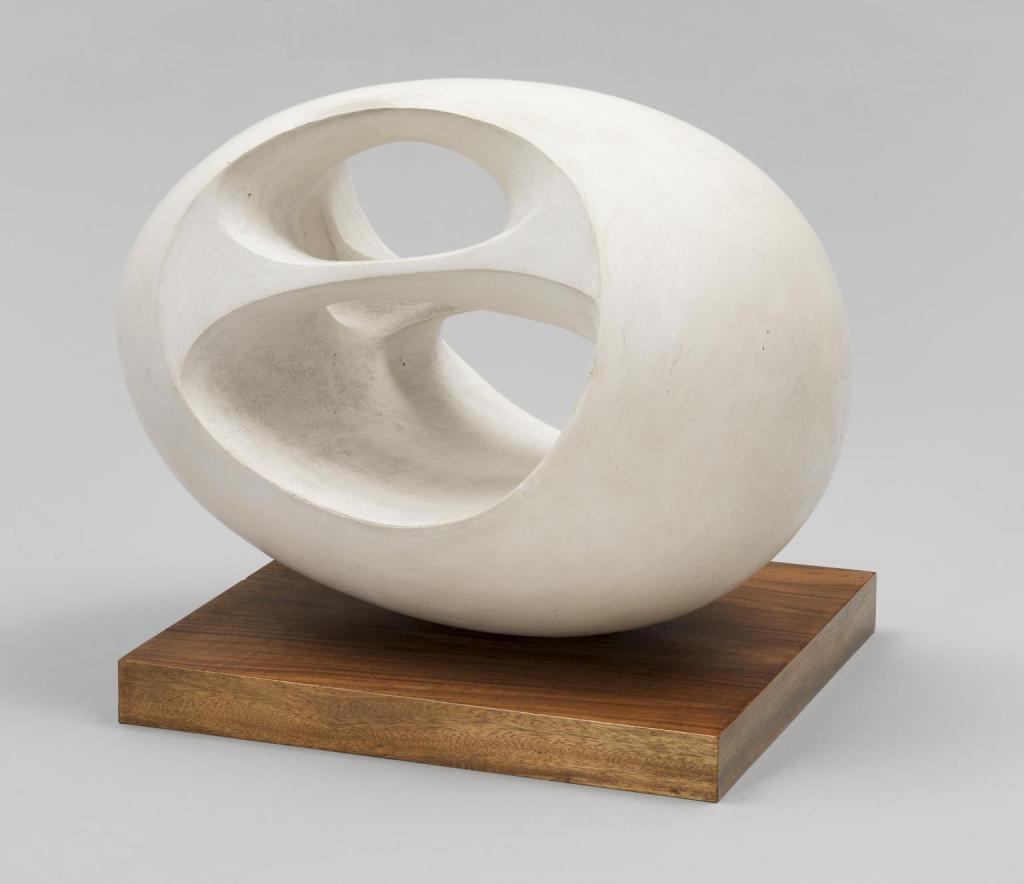
Barbara Hepworth
Oval Sculpture (No. 2), 1943, plaster
I chose Barbara Hepworth’s plaster piece called Oval Sculpture (No. 2) because of the smooth connected sections inside. The most successful aspect of the work is the way the hollow areas repeat the oval outer shape of the sculpture. I believe the least successful aspect of the piece is that there is a little gray on the interior that makes it look dirty. For my piece might incorporate some oval shaped into my own sculpture. (left)
Henry Moore
Reclining Figure, 1951, plaster
Henry Moore’s sculpture called Reclining Figure, was chosen because of the interesting lines for the details. The most successful aspect of his work of the long curves he uses to create the arms and legs. I think the least successful aspect of the sculpture is the head because it looks too small compared to the rest of the body. I plan on using curves for my sculpture. (right)
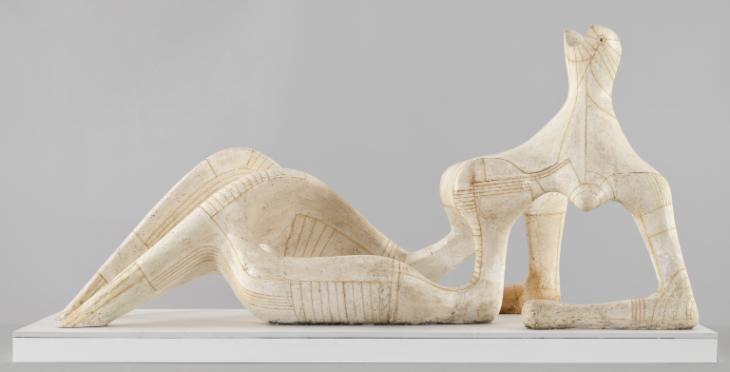

Alberto Giacometti
Gazing Head, 1928, plaster
I chose Alberto Giacometti’s plaster sculpture because it’s simple but very effective. The most successful aspect of this piece is that although it’s very abstract, you can still tell that it’s a face. I think the only unsuccessful aspect is that the bottom edge looks worn away. for my project I would like to incorporate this simplicity into my own sculpture. (left)
Jean Arp
Winged Being, 1961, plaster
I chose Jean Arp’s plaster sculpture called Winged Being because it’s simple but beautiful. The most successful aspect of this work is all the curves are very fluid looking. The least successful aspect is that at first I thought the wing sticking out was an arm being held up. I would like to incorporate this kind of organic appearance into my own project. (right)
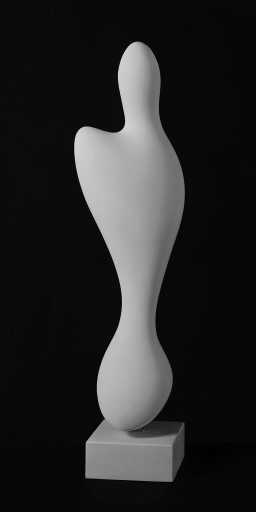

Ivan Stoyanov
A Moment of Eternity, 2016, plaster
Ivan Stoyanov’s piece called A Moment of Eternity was chosen because of the way the holes and curves makes it look like the plaster is flowing up and down the sculpture. The most successful aspect of this piece are the smooth indentations around the edges of the holes and the flattened sections. I think the only unsuccessful aspect of this piece is that the plaster looks a little rough in some places. I would like to incorporate this type of enclosed areas into my own piece. (left).
 GIANNA CARBONE