-
CAST IRON PROJECT
INTRODUCTION
December 6, 2022

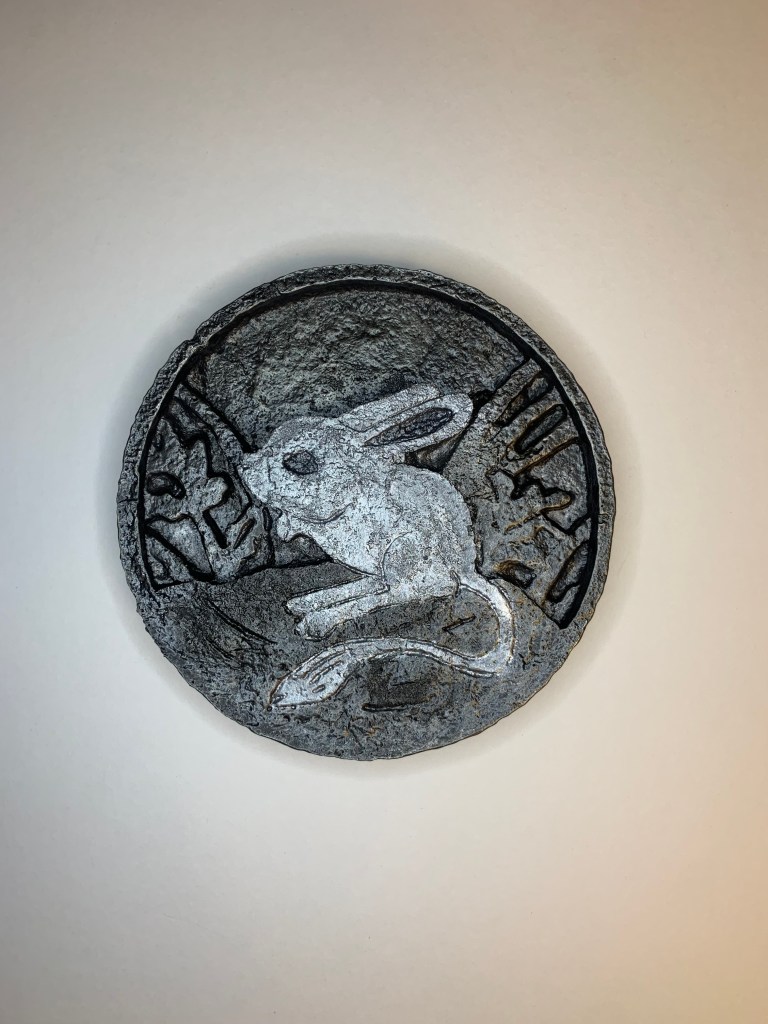
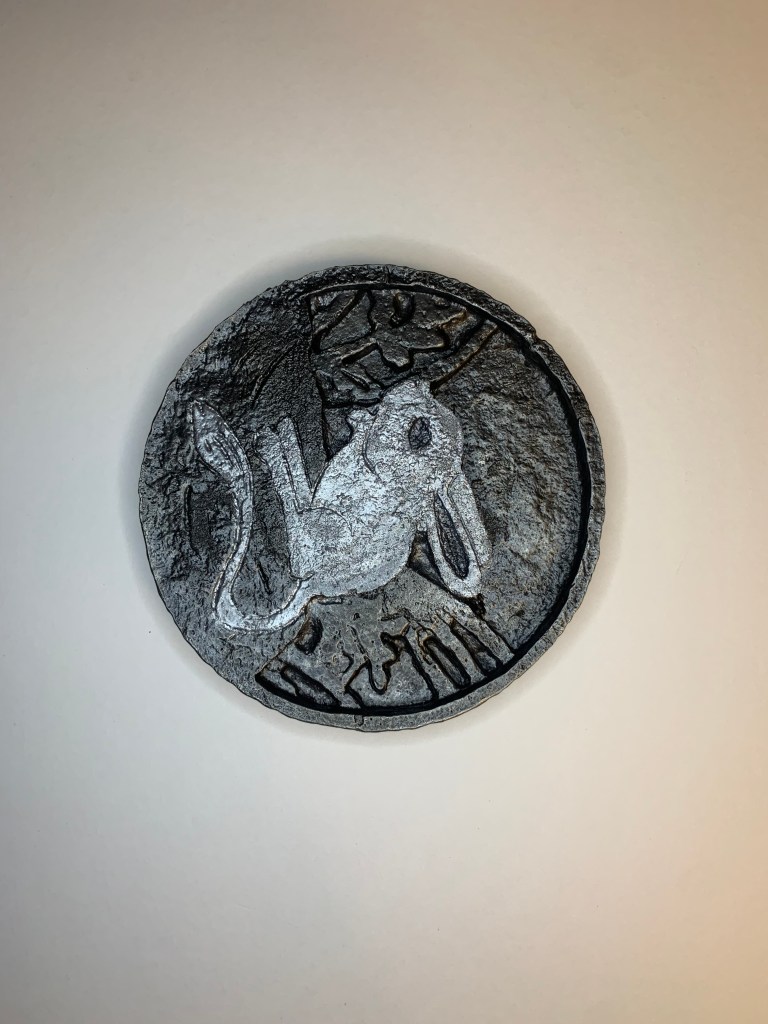
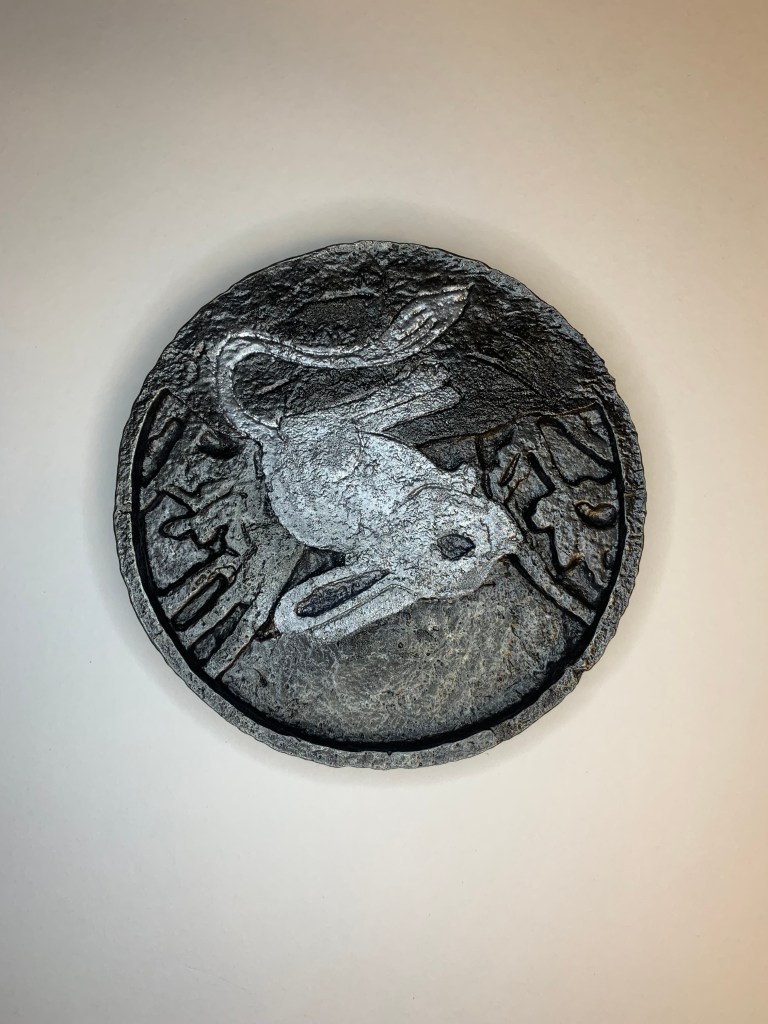
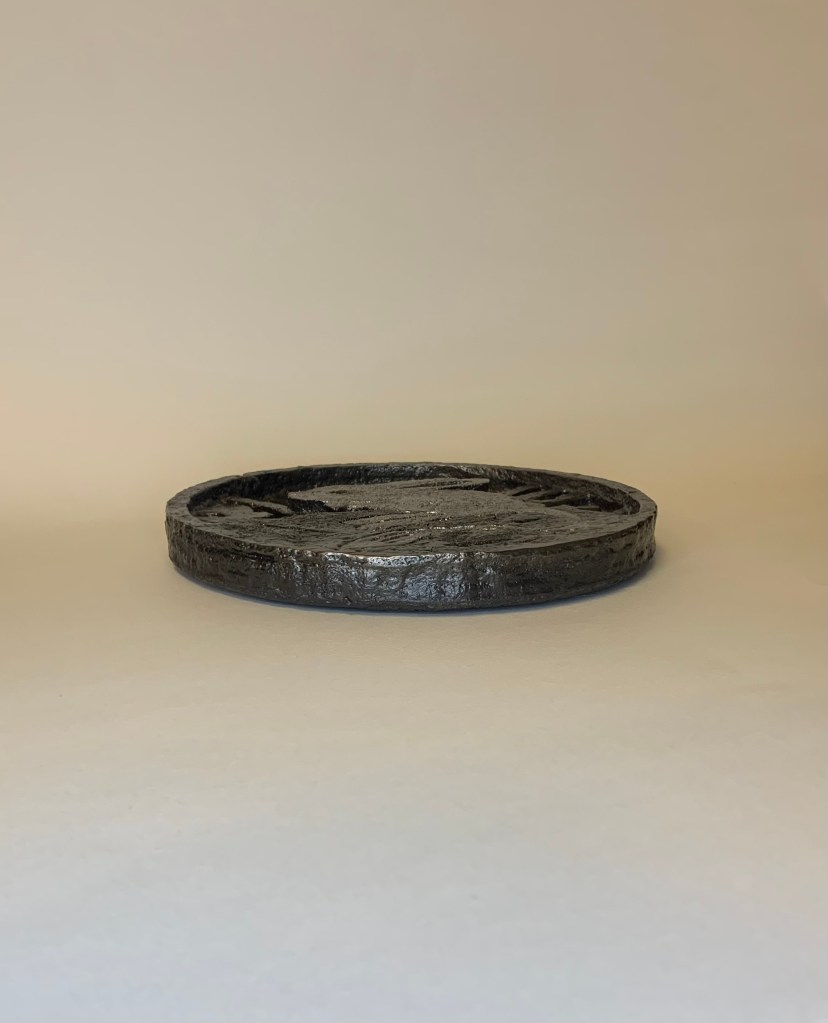
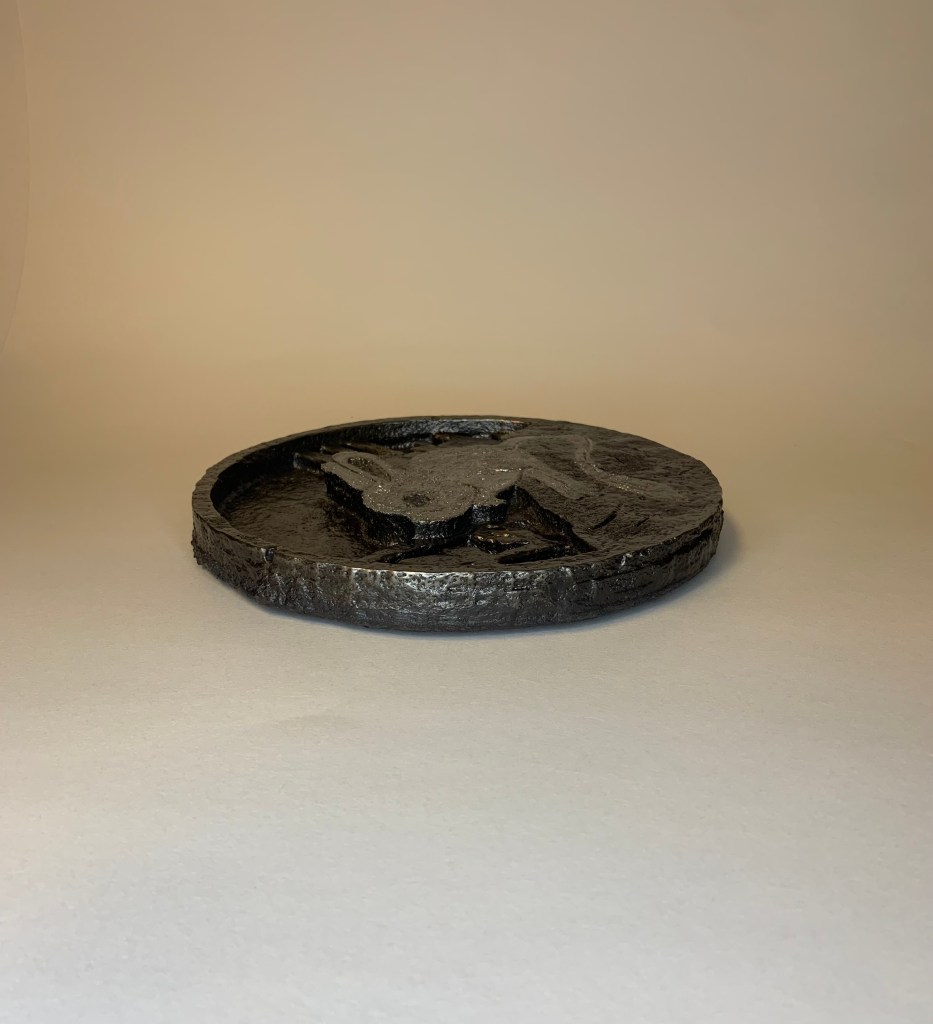
Title: Jerboa
Size: 7 3/4″ x 7 3/4″ x 7 3/4″
Material: Cast Iron
The jerboa is a tiny mouse-like creature that lives in North Africa and Asia. It looks almost like a cartoon character with it’s huge ears, big feet, long tail and tiny hands. However, it’s these features that allows this little animal to live in the harsh desert climate. They can hear tiny sounds with their ears, while their feet and tail means they can jump long distances. Not only did I want to capture the adorable nature of the jerboa itself, but I wanted to show how amazing nature adapts itself for survival.
-
RESEARCH
October 3, 2022

Donatello (Donato Di Betto Bardi)
Feast of Herod, 1427, bronze cast
I chose Donatello’s bronze cast relief called Feast of Herod because it’s a metal casting masterpiece. The most successful aspect of the piece is that it’s extremely detailed and the people seem to come alive. I think the least successful aspect of the work is that it’s not totally clear that the story being told is John the Baptist’s beheading. I hope that I can incorporate some of my own intricate details into my sculpture. (left)
Stephen Daly
Bouquet, 1991, oil stain on cast aluminum
I chose Stephen Daly’s cast aluminum work called Bouquet because it’s simple but very effective. His piece’s most successful feature is that most of it has shallow details combined with the projection of the plant stems outside of the piece. I think the least successful aspect are the small wall hanging loops at the top of the piece. I might use different heights and lengths in my own sculpture so that I can bring out areas in my piece. (right)

Sherri Jaudes
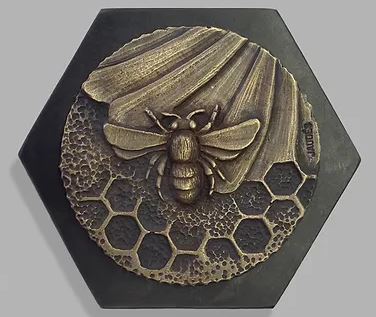
Bee Medallion, 2016, bronze cast
Sherri Jaudes bronze cast piece called Bee Medallion was chosen because her work is a good example of creating different 3D layers between the bee and the background. The most successful aspect’s are how much the bee stands out and the intricate details of the honey comb and flower petals. I think the only unsuccessful aspect is the name on the front of the piece which kind of takes away from it. I plan on creating a layered look in my own sculpture. (left)
Marianne Weil
Broken Moon, 2008, bronze cast
I chose Marianne Weil’s bronze cast work called Broken Moon because of it’s abstract style. The most successful aspect of this piece are the different colors she used. However, I think the least successful aspect are the actual colors she chose, especially the brown and green which makes it look muddy. I plan on incorporating the roundness of this piece into my own project. (right)


Allen Peterson
Atlanta Map Formed Chronologically, 2009, iron cast
Allen Peterson’s iron cast piece called Atlanta Map Formed Chronologically was chosen because of the strong lines he was able to create. The works most successful aspect are the straight grid lines combined with the curved lines that trail off. I believe the least successful aspect is that some of the roads have extra metal hanging off of them. In my own piece I would like to incorporate some curving lines into the sculpture. (left)
-
CAST IRON PROJECT THUMBNAILS
October 3, 2022
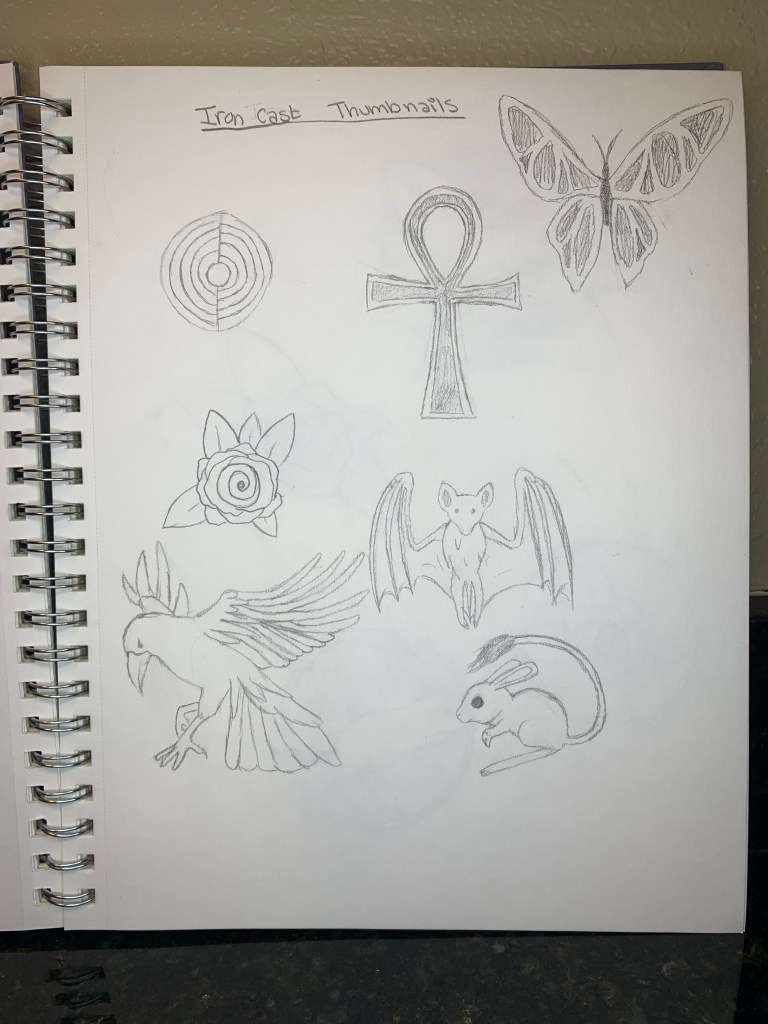
Iron Cast Thumbnails Round 1 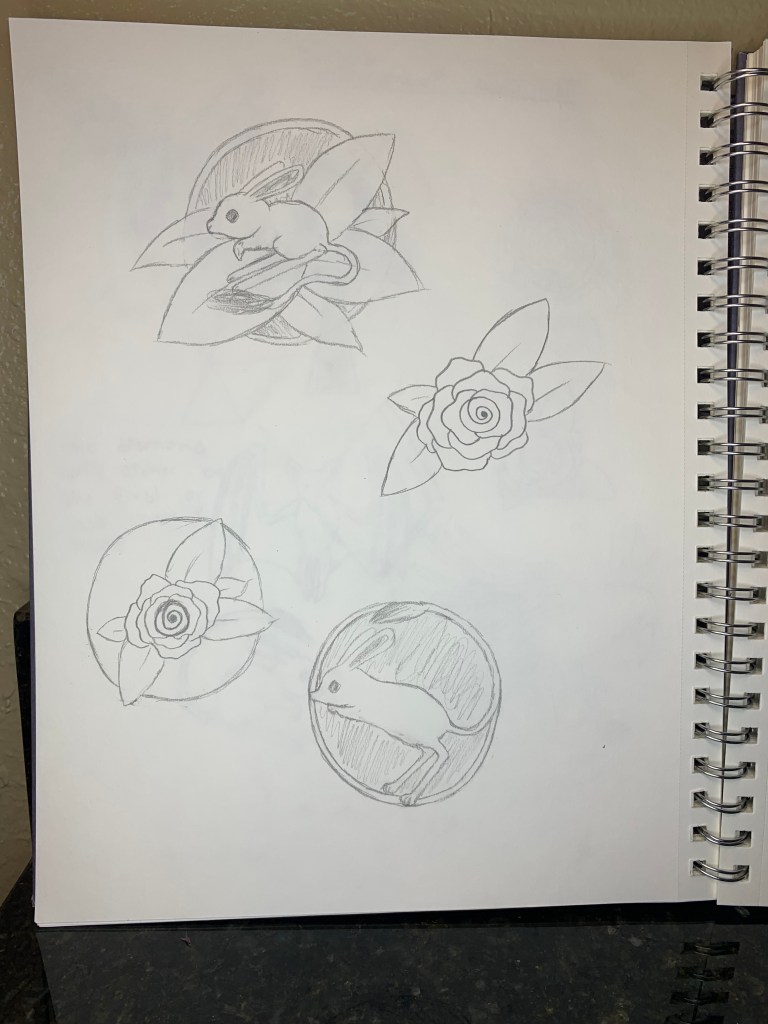
Round 2 -
PROJECT PROPOSAL
October 6, 2022

-
PATTERN COMPLETION & DOCUMENTATION
October 24, 2022

FOAM 01 
FOAM 02 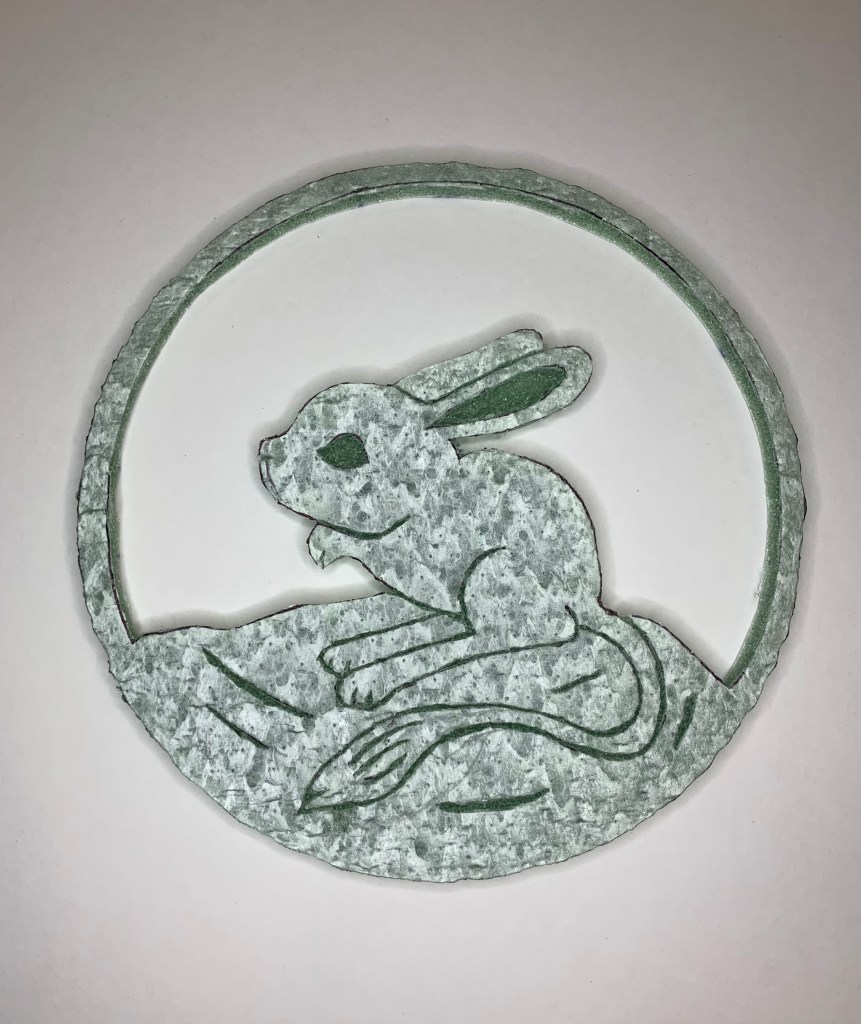
FOAM 03 
FOAM 04 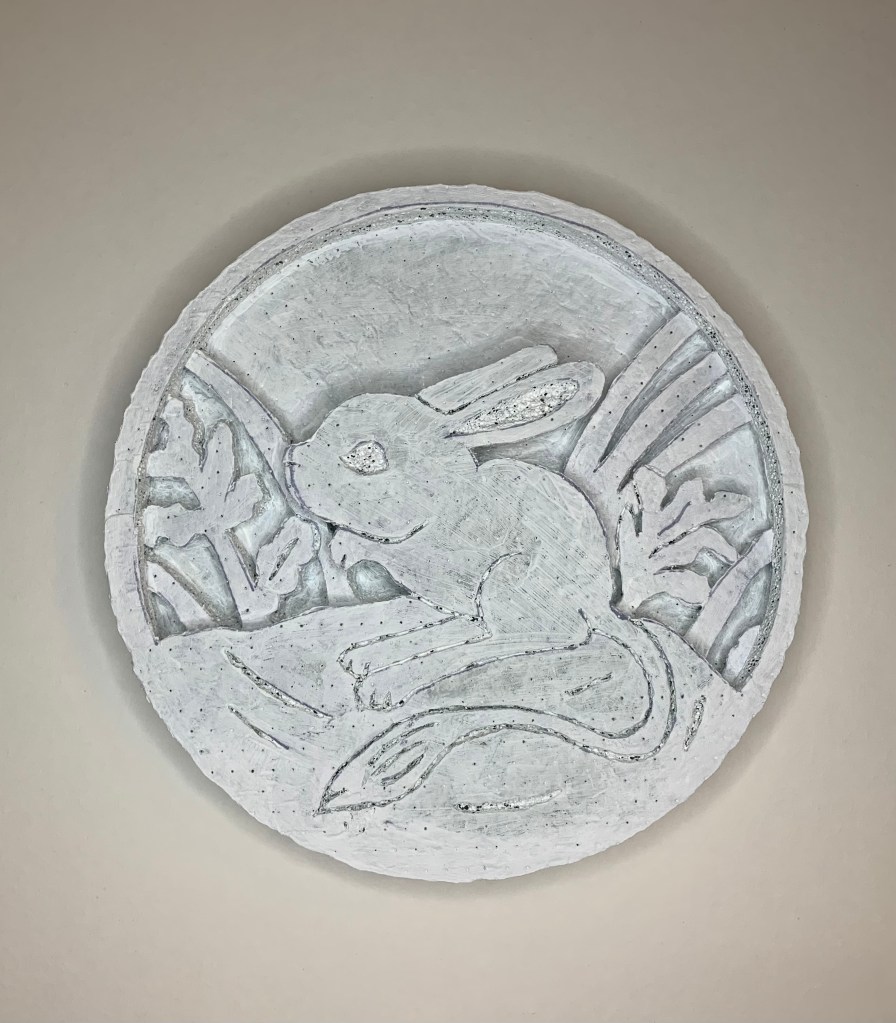
FOAM 05 -
IN-PROCESS DOCUMENTATION
December 6, 2022

First, I created a color paper template of my proposed work with the different colors representing each layer. 
Then, I traced the outlines onto the three pieces of foam. After that, I carefully cut them out using a hot wire cutter and an x-acto knife. 
Next, I glued all three pieces together. 
I painted the entire piece in multiple layers of gesso. 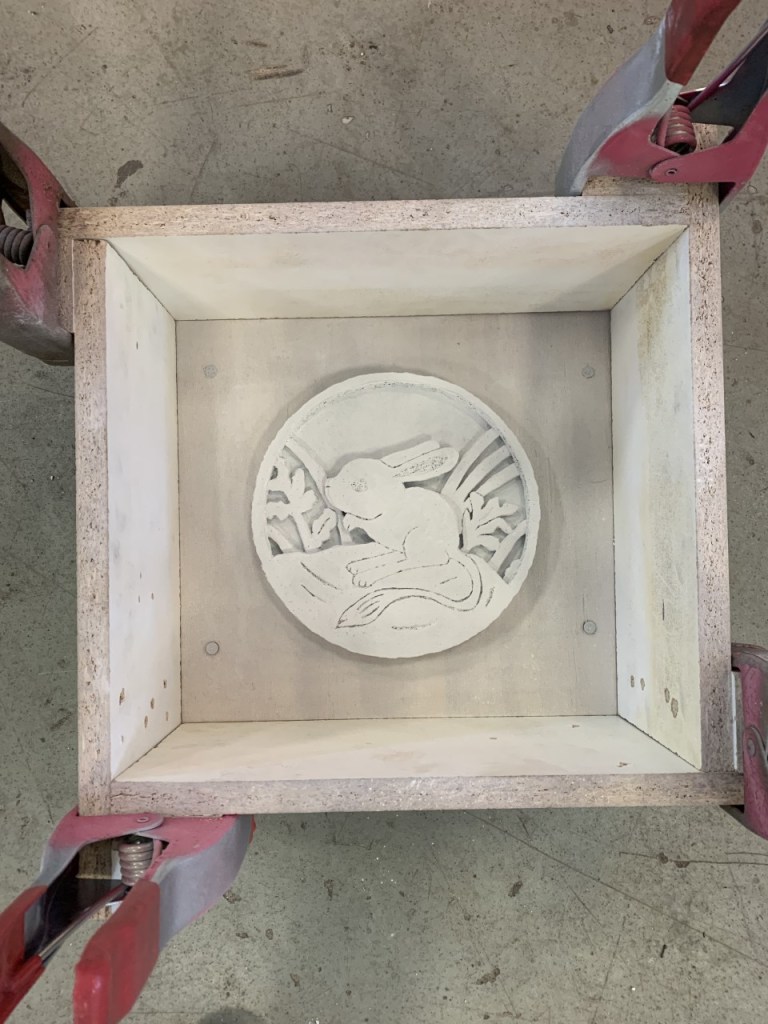
The foam form was then placed in a sandcasting mold. 
Then sand was poured on top of it so that it creates the mold the iron is going to be poured into. 
After it cured, I carefully removed the foam mold from the sand and cleaned out any foam the was left behind. 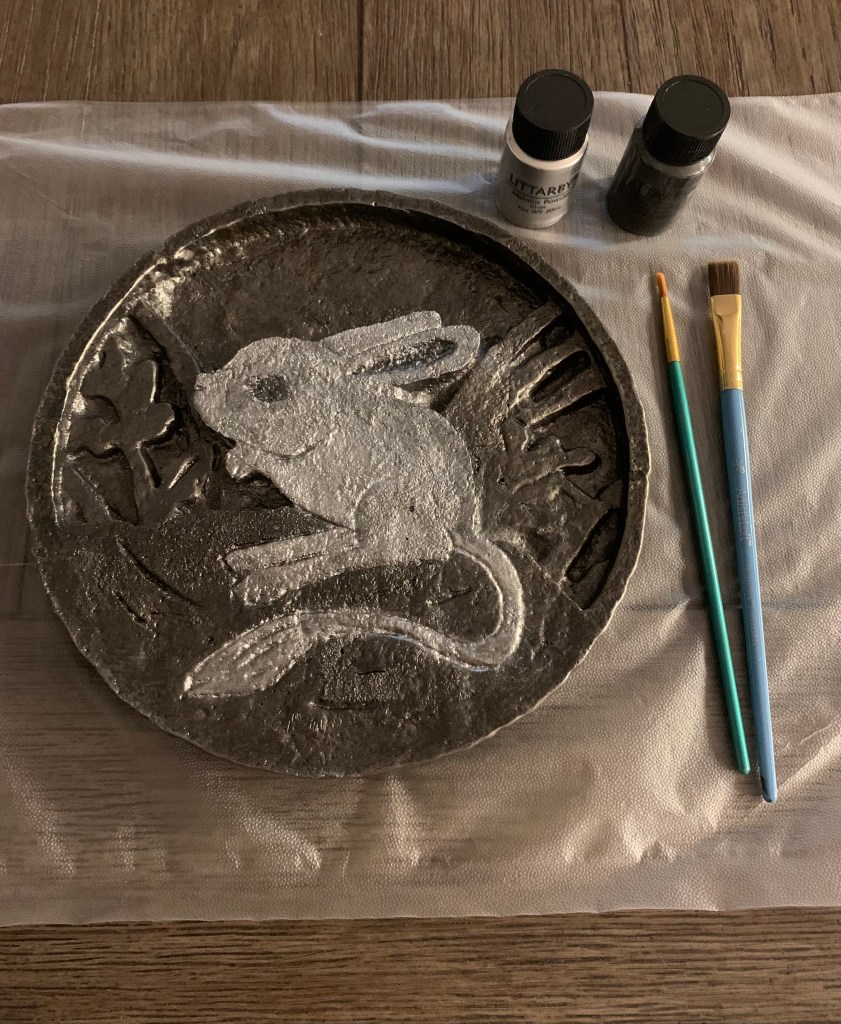
To highlight the piece I added a silver and black mica finish so that the Jerboa stands out more. 
Here I am at the iron pour event where iron was cast into the sand molds. 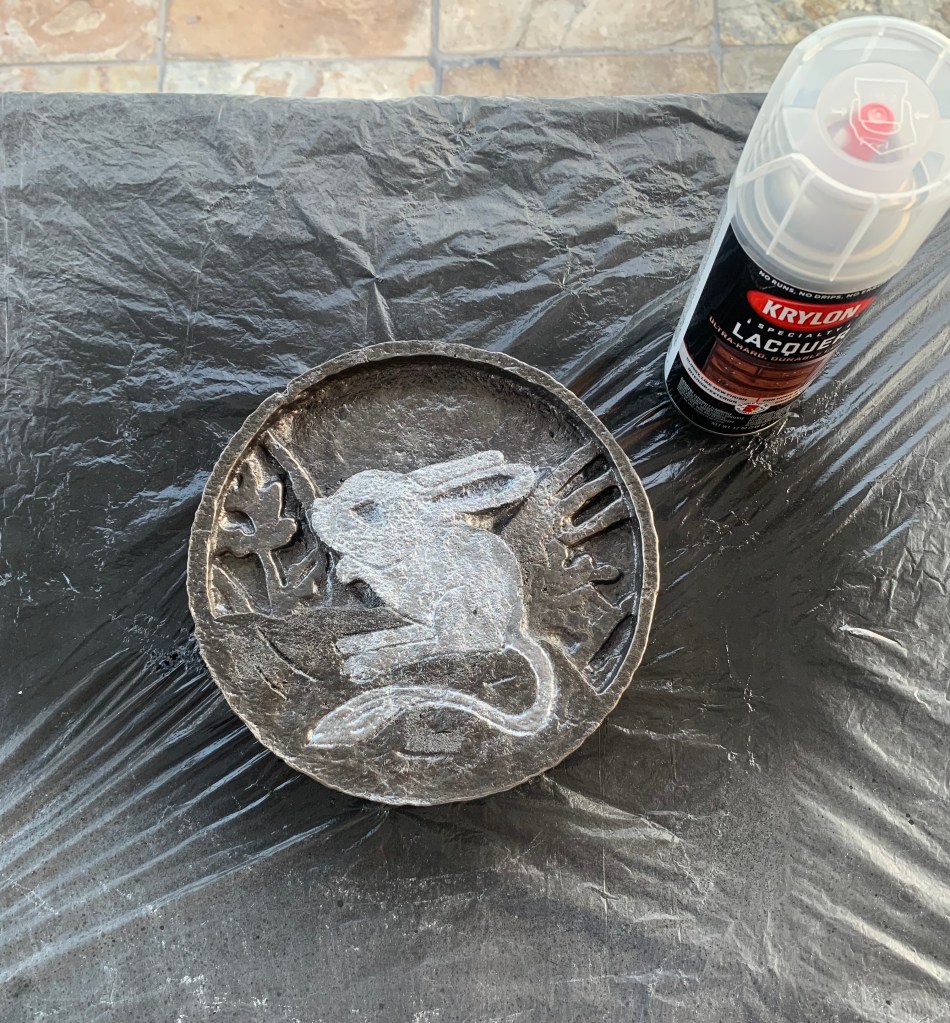
FinalIy, I sprayed on many layers of lacquer to seal the finished piece. 
The next day, when the iron was cool, I was able to clean off the sand that was left on the iron piece. -
PROFESSIONAL DOCUMENTATION
December 6, 2022




-
REFLECTION
December 6, 2022
This iron pour project was a terrific experience for me and because of it, I now know how much work goes into casting metal. As I worked on my piece I discovered new skills that I have never used before. This was the first time I used a hot-wire cutter and I found out how useful it is in creating art. However, I also learned that it takes a steady hand and some practice to make neat clean lines with it. What I enjoyed the most was seeing the actual iron pour event. It was amazing to see the molten metal being cast, but I especially loved cleaning off the sand from the mold to see my final piece in iron. Even though I struggled in some areas, like trying to carve the fragile foam without breaking it or cutting through it, I like how my piece turned out and it’s a process that I really enjoyed. If there was anything I would change, I think I would’ve added more details to the piece and carved the outlines deeper.
-
PLASTER PROJECT
INTRODUCTION
December 6, 2022
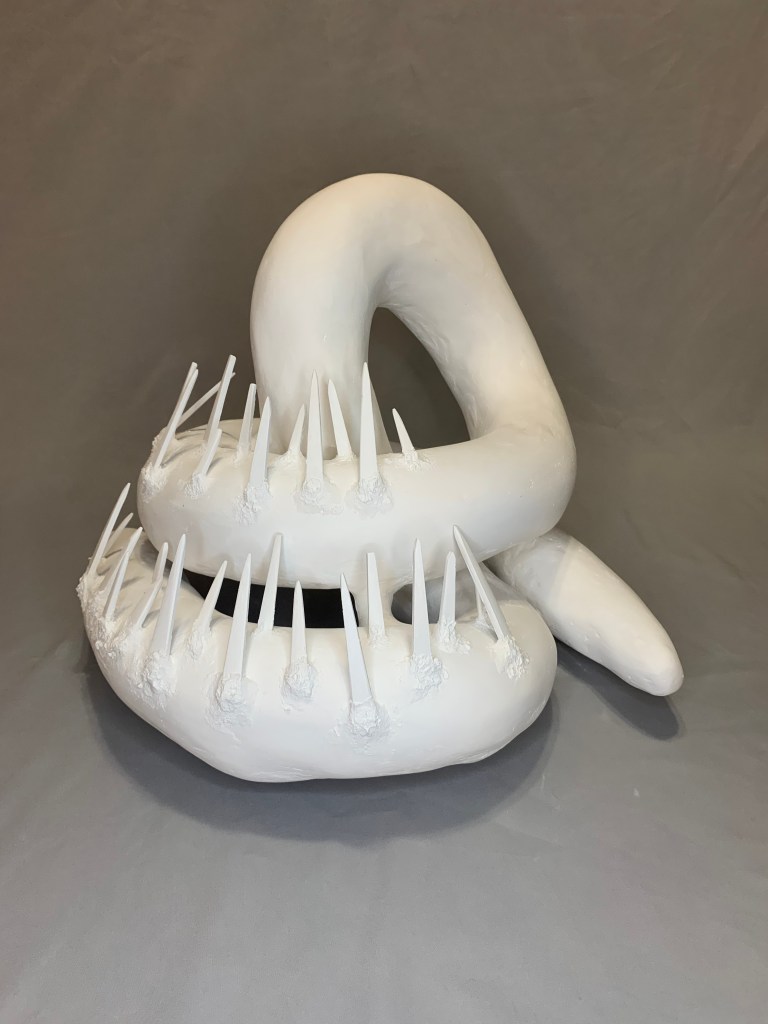
Title: Gnawing Apprehension
Size: 12″ x 17 1/2″ x 13″
Material: Plaster
The emotion of dread makes a person feel like they’re being twisted into knots by fear and stress. It wraps itself around your thoughts and tightens its grip until you can’t escape it. It pierces your mind and makes you crumple up with anxiety. This gnawing sense of apprehension is what I tried to capture in the curves and spikes of my sculpture.
-
RESEARCH
October 31, 2022

Alberto Giacometti
Gazing Head, 1928, plaster
I chose Alberto Giacometti’s plaster sculpture Gazing Head because it’s simple but has a great impact. The most successful aspect of this piece is that although it’s very abstract, you can still tell that it’s a face. I think the only unsuccessful aspect is that the bottom edge looks worn away. For my project, I would like to incorporate this kind simplicity into my own sculpture. (left)
Henry Moore
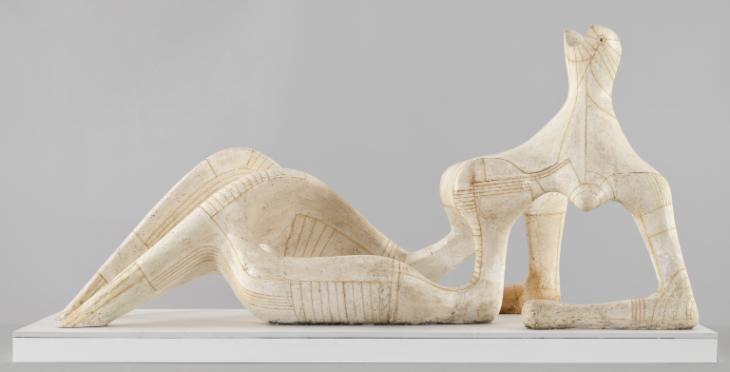
Reclining Figure, 1951, plaster
Henry Moore’s sculpture called Reclining Figure, was chosen because of the interesting details created by the lines on the piece. The most successful aspect of his work are the long curves he uses to create the arms and legs. I think the least successful aspect of the sculpture is the head because it looks too small compared to the rest of the body. I plan on using long curves for my own sculpture. (right)
Barbara Hepworth
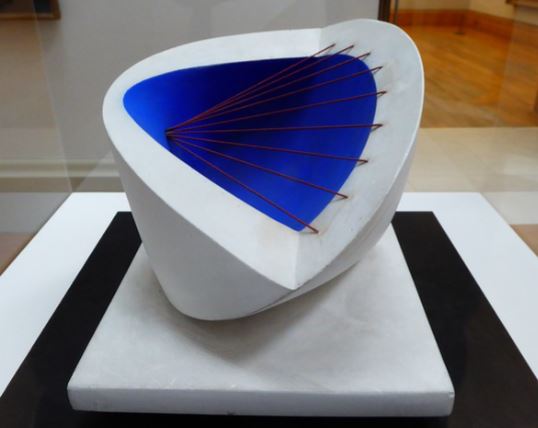
Sculpture with Colour (Deep Blue and Red), 1940, plaster
I chose Barbara Hepworth’s plaster piece called Sculpture with Colour (Deep Blue and Red) because of the smooth angled section that is cut out to give the piece an interesting look. The most successful aspect of the piece is the way the hollowed out part has an arch that is neat and even. I believe the least successful aspect of the piece is that the string looks a little rough. For my piece I’m would like to incorporate the same smoothness of the plaster into my work. (left)
Jean Arp
Winged Being, 1961, plaster
I chose Jean Arp’s plaster sculpture called Winged Being because it’s simple but beautiful. The most successful aspect of this work is all the curves are very fluid looking and it seems almost alive. The least successful aspect is that at first I thought the wing sticking out was an arm being held up. I would like to incorporate this kind of organic appearance into my own project. (right)
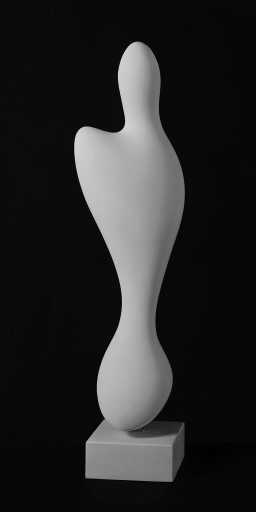

Ivan Stoyanov
A Moment of Eternity, 2016, plaster
Ivan Stoyanov’s piece called A Moment of Eternity was chosen because of the way the holes and curves makes it look like the plaster is flowing up and down the sculpture. The most successful aspect of this piece are the smooth indentations around the edges of the holes and the flattened sections. I think the only unsuccessful aspect of this piece is that the plaster looks a little rough in some places. I would like to incorporate this type of enclosed areas into my own piece. (left).


